

More than any other age group, people under the age of thirty (“millennials”) understand the important role international trade plays in the U.S. economy. Strong support from millennials gives an optimistic outlook for the future of international free trade.
According to a recent poll, 69 percent of Americans under 30 say that free trade agreements have been a “good thing” for the U.S.
One of the most effective ways to remove barriers to trade is through free trade agreements—mutual arrangements to freely exchange goods and services between nations. Young Americans seem to understand this. According to a recent poll, 69 percent of Americans under 30 say free trade agreements have been a “good thing” for the U.S.
Many opponents of free trade view international trade as a win/lose scenario. In reality, international trade is about encouraging mutually beneficial transactions that create steady economic progress for both parties, including higher living standards and cleaner environments. Along with that, international trade promotes peace and solidifies international cooperation.
It’s no coincidence that most economists support free trade. As N. Gregory Mankiw wrote last year:
Economists are famous for disagreeing with one another, and indeed, seminars in economics departments are known for their vociferous debate. But economists reach near unanimity on some topics, including international trade.
TRENDING ARTICLES
The economic argument for free trade dates back to Adam Smith, the 18th-century author of “The Wealth of Nations” and the grandfather of modern economics. Smith recognized that the case for trading with other nations was no different from the case for trading with other individuals within a society.
According to Smith, “it is the maxim of every prudent master of a family never to attempt to make at home what it will cost him more to make than to buy.” Just as no sensible person tries to make all his own clothes and grow all his own food, he said, no sensible nation will aim to achieve prosperity by isolating itself from other nations around the world.
Economist Adam Ozimak observed in Forbes that trying to block the changes resulting from trade would be especially harmful to future generations.
Perhaps this explains why polls show that younger Americans are more likely to support free trade. More trade means more opportunity to prosper. On this issue, the rest of the country should follow where the young people lead.
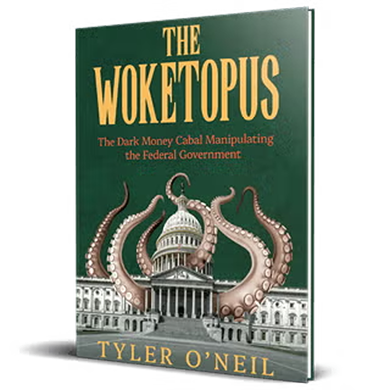
Read the first chapter of The Woketopus right now for FREE
Today, even with President Trump’s victory, leftist elites have their tentacles in every aspect of our government.
The Daily Signal’s own Tyler O’Neil exposes this leftist cabal in his new book, The Woketopus: The Dark Money Cabal Manipulating the Federal Government.
In this book, O’Neil reveals how the Left’s NGO apparatus pursues its woke agenda, maneuvering like an octopus by circumventing Congress and entrenching its interests in the federal government.
You can read the first chapter of this new book for FREE in this eBook, The Woketopus: Chapter One using the secure link below.
TRENDING ARTICLES

The Daily Signal depends on the support of readers like you.
RELATED ARTICLES





Don’t miss the

Don’t miss the signal