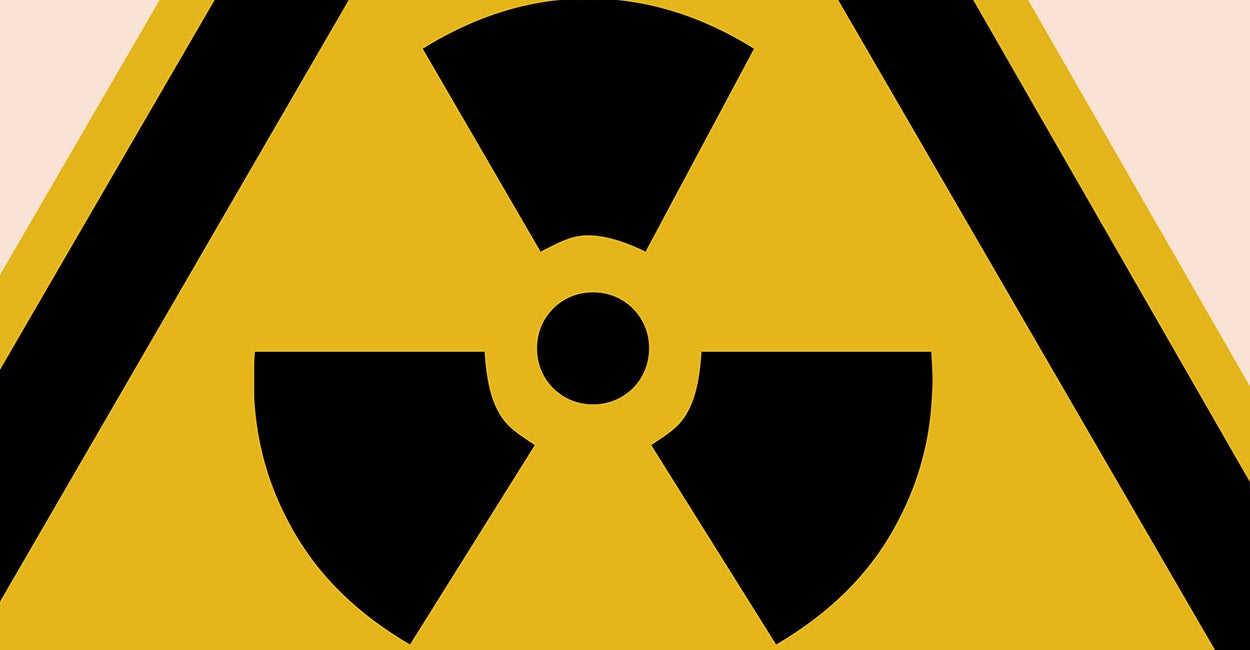
While the Export-Import Bank struggles to find reasons to justify its reauthorization, some have begun claiming that the U.S. nuclear industry needs Ex-Im to compete internationally. According to Westinghouse’s president Danny Roderick, “For us to get a share of [the international market] in a competitive way, we have to have something that negates the Russians, the French, the Koreans, who are offering financing on these packages.”
But the biggest threat to the competitiveness of the American nuclear industry isn’t the disappearance of the Export-Import Bank, the Russians, the French, or the Koreans, but the American government.
Drawn out permitting timetables, ill-conceived regulations, and other government-imposed market distortions create so much risk and price inflation that some believe the industry needs subsidies to compete internationally and to offset the negative impacts of these policies. There is indeed a problem, but subsidies and Ex-Im aren’t the solution.
As it is, the Nuclear Regulatory Commission operates under an outdated regulatory system that isn’t adaptable to new technology and designs and over regulates existing nuclear plants and technologies. And the federal government’s total mismanagement of nuclear waste has played a significant role in choking new growth in domestic use of commercial nuclear energy by adding political inefficiency and uncertainty to the process.
Because navigating this expensive and onerous regulatory gauntlet is nearly impossible for any private company to do alone, they rely on taxpayer help. The Department of Energy, for example, picks up the tab for some projects and provides loans and loan guarantees to a lucky few to test out technology or to build plants that the government finds promising. The problem is that these subsidies do not work. They give industry enough money to partially offset the cost of bad policy, feed the Washington bureaucracy and allow politicians to claim that they are helping nuclear power. In the end, commercially relevant nuclear technology stagnates because the incentive to reform the broken system is removed.
Commercial nuclear exports are suffering the same fate as government costs are reducing the competitiveness of American nuclear power. The commercial nuclear export regime is convoluted and burdensome, spread between three different federal departments and agencies.
TRENDING ARTICLES
While Roderick’s concerns may be legitimate, the way to decrease credit risks and costs is not to patch them with more government subsidies but to fix the policies that create undue risk in the first place. The U.S. government could do far more for the American nuclear industry by developing a modern regulatory system, fixing nuclear waste, ending market distorting technology programs, and creating an efficient system for peaceful nuclear trade than by reauthorizing the Export-Import Bank.
By itself, it is a matter of good economic policy to eliminate arbitrary barriers and enable American companies to compete. But it is also a matter of foreign policy – preventing American companies to compete closes off important opportunities to integrate America’s safety, transparency, and nonproliferation standards in the programs of partnering nations through nuclear trade agreements.
Perpetuating the current broken system by mitigating bad government policy through subsidies simply further embeds this flawed approach. Instead, Roderick’s comments and others like his should draw policymakers’ attention to the many government erected barriers thwarting a competitive American nuclear industry. Getting rid of the subsidies will finally force Washington to fix these underlying problems.
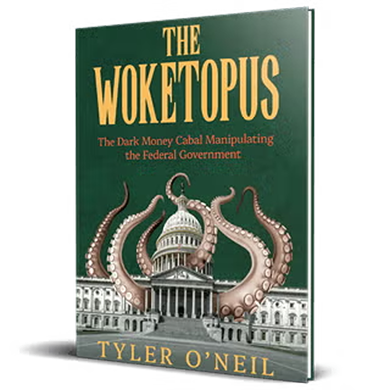
Read the first chapter of The Woketopus right now for FREE
Today, even with President Trump’s victory, leftist elites have their tentacles in every aspect of our government.
The Daily Signal’s own Tyler O’Neil exposes this leftist cabal in his new book, The Woketopus: The Dark Money Cabal Manipulating the Federal Government.
In this book, O’Neil reveals how the Left’s NGO apparatus pursues its woke agenda, maneuvering like an octopus by circumventing Congress and entrenching its interests in the federal government.
You can read the first chapter of this new book for FREE in this eBook, The Woketopus: Chapter One using the secure link below.


TRENDING ARTICLES

The Daily Signal depends on the support of readers like you.
RELATED ARTICLES




Don’t miss the

Don’t miss the signal