
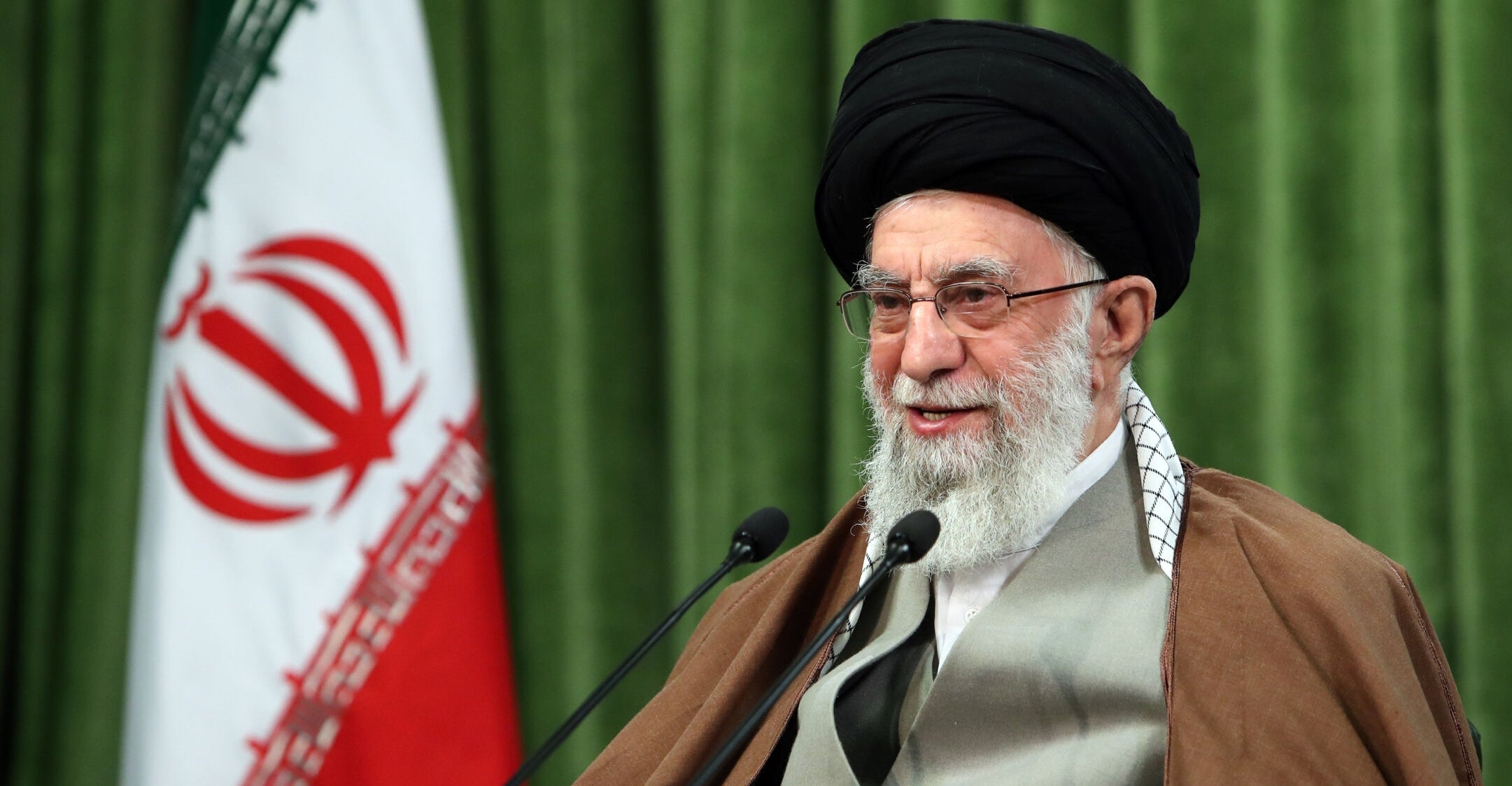
Over the past two months, the Biden administration has shown a willingness to revive negotiations with Iran on the flawed Joint Comprehensive Plan of Action, better known as the Iran nuclear agreement.
Thus far, negotiations haven’t taken place. Iran wants sanctions lifted before coming to the negotiating table, while the U.S. demands that Iran return to compliance by halting uranium enrichment and allowing international inspectors back into facilities.
Both countries are refusing to concede to the other’s demands, so efforts to reconvene negotiations have reached an impasse.
Despite the gridlock, President Joe Biden has insisted on reviving the agreement without congressional input, which raises the question: Are there any tools available for Congress to influence the outcome of those negotiations moving forward?
In 2015, the Obama administration skirted congressional approval and bound the U.S. to the agreement using a U.N. resolution. Though U.N. resolutions are often easier to negotiate than treaties, resolutions are merely executive agreements that are politically—but not legally—binding.
As a result, President Donald Trump was able to unilaterally exit the deal when he came into office with the stroke of a pen. Despite the outcry from some members of Congress, Trump formally withdrew from the agreement and placed numerous sanctions on Iran as part of his administration’s “maximum pressure strategy.”
TRENDING ARTICLES
Sanctions against Iran have so far remained in place under the Biden administration, despite pressure from Iran. However, if Biden concedes to Iran’s demands and lifts sanctions, Congress must use its constitutional authority to impose its own sanctions on Iran and reassert its influence over foreign affairs.
Under the Iran Nuclear Agreement Review Act of 2015, Congress must review any future agreements with Iran. That gives Congress the opportunity to block agreements or block sanctions relief through a joint resolution of disapproval passed by majorities in the House and the Senate.
Though the review process itself is lopsided in favor of passage, Congress has the constitutional authority under Article I, Section 8 to impose sanctions on Iran after the review.
Under the terms of the Iran nuclear agreement, U.S. sanctions were lifted after Iran agreed to limit its nuclear activities and allow international inspectors greater access to sites and facilities. Those sanctions targeted Iranian oil and banking sectors, Iranian entities and individuals, the sale of commercial passenger aircraft to Iran, and other transactions.
In those areas, Congress has the power to impose its own sanctions that are legally binding and override U.N. resolutions.
The goal of exercising congressional sanctioning power would not be to undermine the Biden administration. Rather, it would serve to reassert congressional authority.
Congressional sanctions would be a powerful signal to U.S. partners such as Israel and Saudi Arabia that the U.S. will not reward bad actors in the Middle East as it has in the past.
Although congressional politics may provide a challenging environment for bipartisan consensus, Congress has come together in the past to impose sanctions on adversarial countries. In 2011, Congress imposed sanctions on Iranian oil exports despite pushback from the Obama administration.
Those sanctions arguably brought Iran to the negotiating table in 2015. Similarly, against the wishes of the Trump administration, Congress used its sanctioning authority in 2018 to rebuke Russia for its malicious cyber activity.
Congress has the power to influence the outcome of foreign policy by imposing sanctions. If the Biden administration lifts sanctions against Iran, Congress can still apply pressure by imposing its own sanctions.
The question is whether Congress will reassert itself in Iran nuclear agreement negotiations or will continue to sit on the sidelines.
Have an opinion about this article? To sound off, please email letters@DailySignal.com and we will consider publishing your remarks in our regular “We Hear You” feature.
Read the first chapter of The Woketopus right now for FREE
Today, even with President Trump’s victory, leftist elites have their tentacles in every aspect of our government.
The Daily Signal’s own Tyler O’Neil exposes this leftist cabal in his new book, The Woketopus: The Dark Money Cabal Manipulating the Federal Government.
In this book, O’Neil reveals how the Left’s NGO apparatus pursues its woke agenda, maneuvering like an octopus by circumventing Congress and entrenching its interests in the federal government.
You can read the first chapter of this new book for FREE in this eBook, The Woketopus: Chapter One using the secure link below.

TRENDING ARTICLES

The Daily Signal depends on the support of readers like you.
RELATED ARTICLES





Don’t miss the

Don’t miss the signal